California Schemin’
CALIFORNIA SCHEMIN’ has hints of greatness throughout its script but ultimately lands as a safe debut for James McAvoy that doesn’t dare to tread very far outside the formula for music biopic cinema.

CALIFORNIA SCHEMIN’ has hints of greatness throughout its script but ultimately lands as a safe debut for James McAvoy that doesn’t dare to tread very far outside the formula for music biopic cinema.
THE FALL OF SIR DOUGLAS WEATHERFORD is the story of a tour guide in a small Borders town, driven mad by the intrusion of a television crew filming a prestige fantasy series, balancing a light comedy tone with unexpected poignancy, even if some of its more impactful ideas are underdeveloped.
SUKKWAN ISLAND (also known as MY FATHER’S ISLAND) is a slow devastation. The conclusion seems inevitable from the outset but, like the young man in the film, we are dragged along for the experience.
THE LAST VIKING entertainingly shifts between identities in a way that parallels its characters, but a surprisingly sensitive treatment of neurodiversity is marred by a bitter undercurrent of misogyny that leaves a bad taste.
Mark Jenkin’s unique filming style lends texture and physicality to ROSE OF NEVADA, a blend of British social realism and ghost story, even while the dream-like nature of it means that it fades like a dream upon ending.
Felipe Bustos Sierra’s latest documentary is a fitting one to open Glasgow Film Festival 2026 as a thoughtful exploration of Glasgow’s political history and how a community can come together to make a political difference.
While WAKE UP DEAD MAN may not bring anything novel for newcomers to the series, it’s a treat for KNIVES OUT fans, serving as a corrective for the excesses of GLASS ONION and imbuing the story with meaningful resonance for contemporary Christian politics.
Mike Flanagan is no stranger to adapting Stephen King’s work, but like King himself, he’s tended to stick to horror. THE LIFE OF CHUCK represents a foray into King’s more literary work and, with its formally experimental structure and its genuinely life-affirming joyfulness, also represents a renewed confidence for Flanagan in his own writing.
HARVEST is too tonally inconsistent and tediously obtuse to harvest any emotional substance from the ideas that it sows.
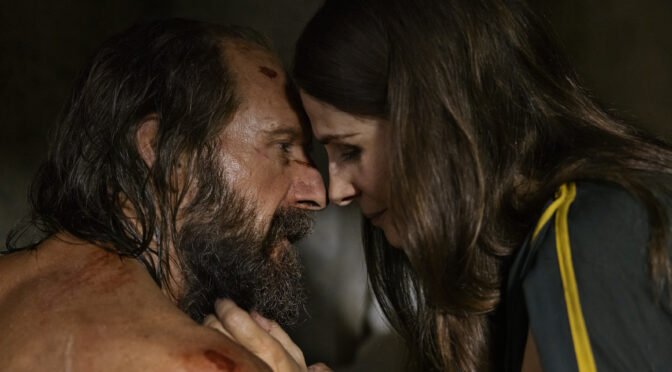
Uberto Pasolini ably converts the last half of Homer’s Odyssey into a single narrative by focusing on the trauma of returning home when you’re no longer the person you were when you left.