
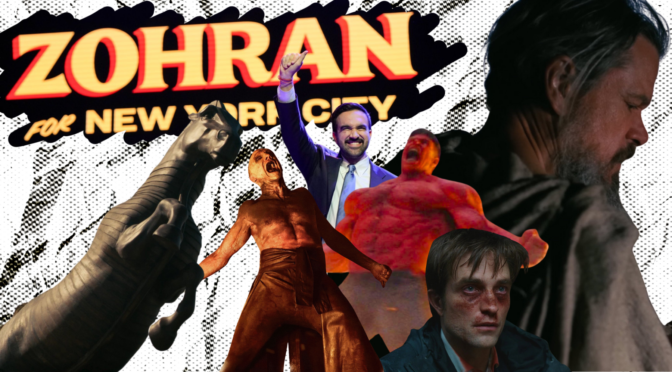
On January 1st, 2026, the newly inaugurated Mayor of New York, Zohran Mamdani, ruffled a few feathers when he said, “For too long, those fluent in the good grammar of civility have deployed decorum to mask agendas of cruelty”. The statement prompted many declarations that the Mayor was attacking the idea of dissenting opinion, critics would be ignored or silenced, and the concept of constructive disagreement had been tossed aside. That so many listeners heard only an attack on manners suggests the distinction Mamdani was drawing isn’t widely recognised. Collectivism can include all but should not excuse cruelty; civility is a collectivist practice, not a tool to be deployed for one’s own ends. Mainstream cinema began to wrestle with this notion as the Trump and Brexit era matured. Now, after some fumbled attempts, an array of films recognises Mamdani’s observation clearly: civility is a value one must embody during disagreement, not adopt as a mask to obstruct it, or reject to demonstrate conviction.
The foregrounding of xenia, the unconditional obligation to extend hospitality to foreigners and strangers (who could be gods in disguise), as the key thematic strand in Nolan’s THE ODYSSEY, represents the most accessible manifestation of this in recent mainstream cinema. The multiple violations of “Zeus’ law”, as it is referred to in the film, are consistently invoked as a moral failing precipitating a societal rot. From an initial standpoint, one could read this as opposite to Mamdani’s statement: wouldn’t society be better off if we could just all get along?
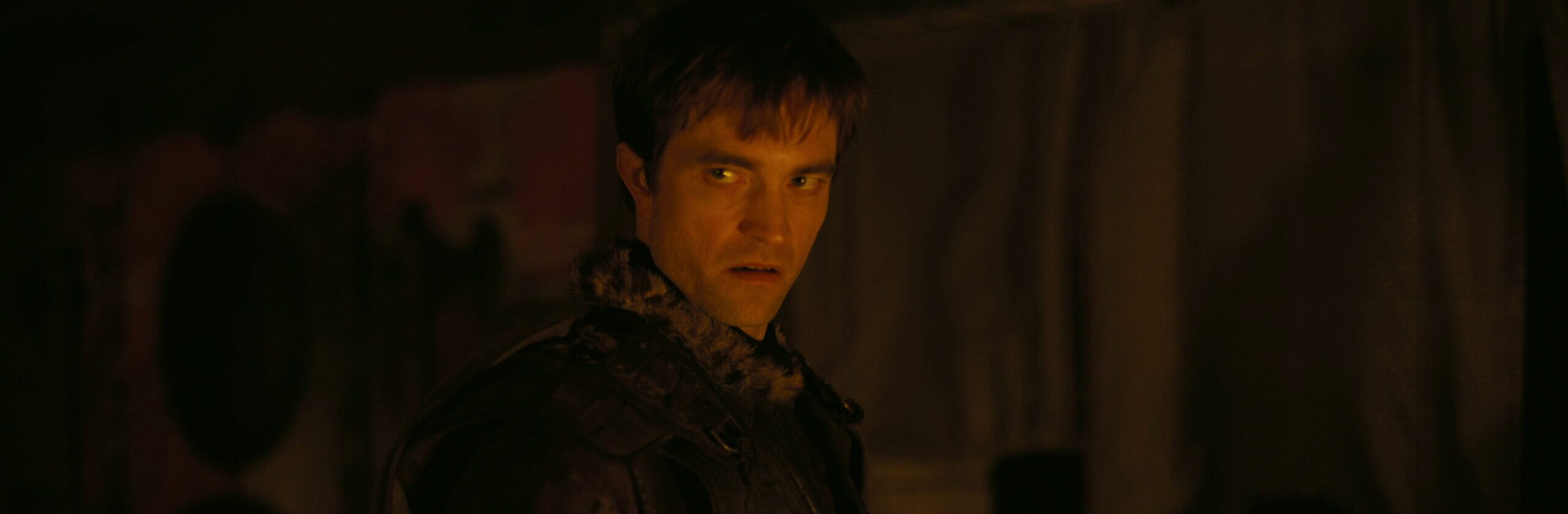
“…the suitors and Robert Pattinson’s Antinous represent Mamdani’s “good grammar of civility” perfectly. Under the guise of exercising their guest rights, they perpetuate “agendas of cruelty”.”
However, THE ODYSSEY crucially does not assume empathy includes amnesty. The suitors are punished for their cruelty and lack of respect, yet Odysseus is not absolved of his slaughter of them under his roof; he exiles himself in recognition of his own repeated transgressions. The positioning of the Greeks as being the very “people from the sea” they feared, and who so threatened civilised society, emphasises that actions are more important than words. In this regard, the suitors and Robert Pattinson’s Antinous represent Mamdani’s “good grammar of civility” perfectly. Under the guise of exercising their guest rights, they perpetuate “agendas of cruelty”.
In contrast, last year’s CAPTAIN AMERICA: BRAVE NEW WORLD is a blockbuster that steadfastly refused to exercise accountability for all its monsters. President Thaddeus Ross (Harrison Ford) misleads and destroys throughout the film (quite literally tearing apart icons of the republic, including the White House, as Red Hulk). He is responsible for exploiting the dangerous terrorist Samuel Sterns (Tim Blake Nelson) within a black ops site to obtain the presidency, and willingly sets a Black man wrongly on the path to death row to cover it up. However, by the film’s conclusion, the characters’ understanding begets forgiveness and outsources his villainous choices to ‘mastermind’ Sterns’ manipulations. The misstep here is not letting Ross off lightly, but using (thinly written) empathy to present mere reconciliation as the ultimate goal. If we meekly accept noble intent and “very fine people on both sides”, we can ignore transgressions and melt them into the background of being civil to one another.
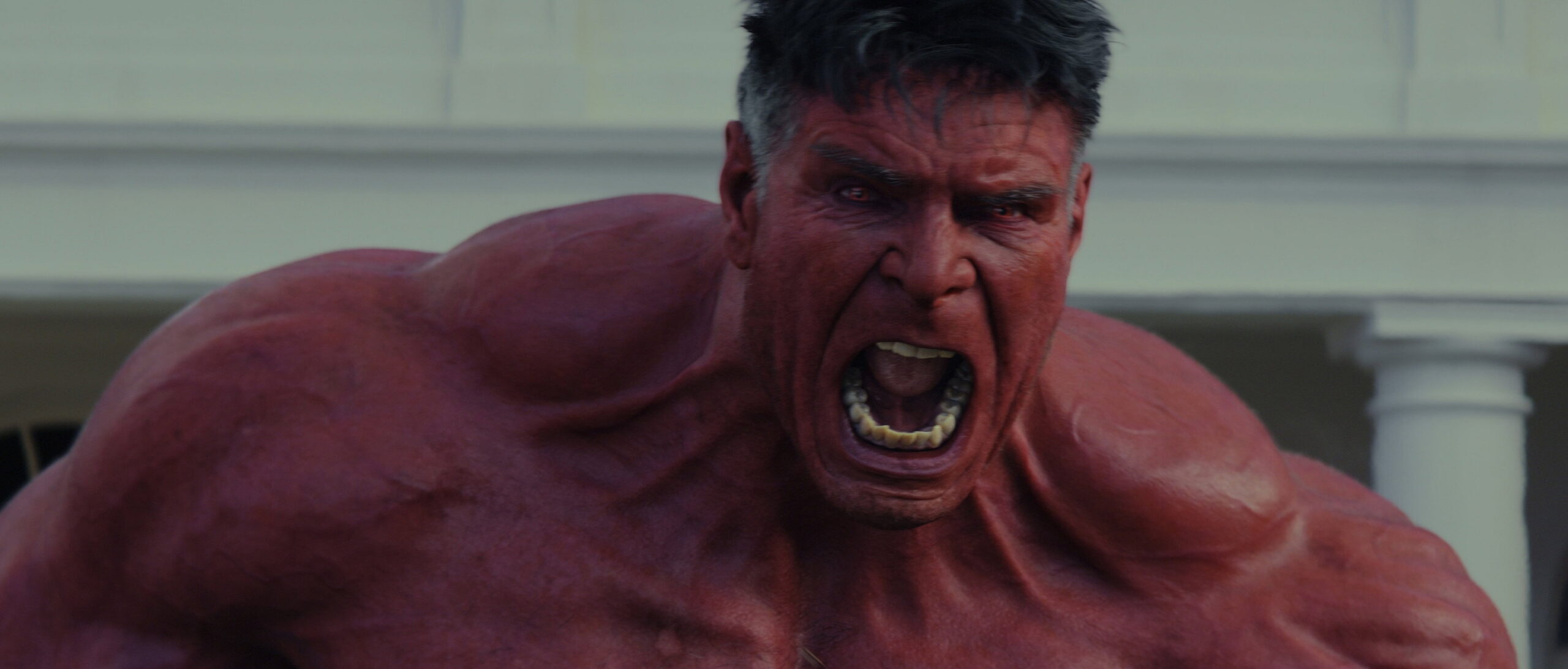
“If we meekly accept noble intent and “very fine people on both sides”, we can ignore transgressions and melt them into the background of being civil to one another.”
If Nolan’s epic adaptation highlights a failure to live as one espouses, and BRAVE NEW WORLD shows an unwillingness to engage with what it would mean to do so, then 28 YEARS LATER: THE BONE TEMPLE is a surprising companion piece to them. Nia DaCosta’s film demonstrates what it means to resolve those contradictory forces: to show radical empathy without excusing cruelty. Throughout, Kelson (Ralph Fiennes) places himself in danger to meaningfully connect with alpha ‘zombie’ Samson. He pushes past the monstrous rage to connect with a common humanity, quite literally treating Samson’s anger as a blinding affliction. Samson is lost, whereas Jack O’Connell’s villainous cult leader Jimmy leads others astray with the promise of belonging, developing an entrenched tribalism. It is no coincidence that Jimmy uses the British honorifics ‘Sir Lord’ as part of his persona. Jimmy cloaks his “agendas of cruelty” in the costume of British polite society (as, indeed, did Jimmy Savile, whose styling the character adopts), and the film punishes him for this, even if Kelson’s civil engagement understands how the monster was shaped. Jimmy’s death at the hand of a former follower shows accountability can be a direct consequence of that understanding. The film empathises with Jimmy’s traumatic origins as a scared child and Samson’s chaotic rage, but shows how empathy can still lead to different destinations.
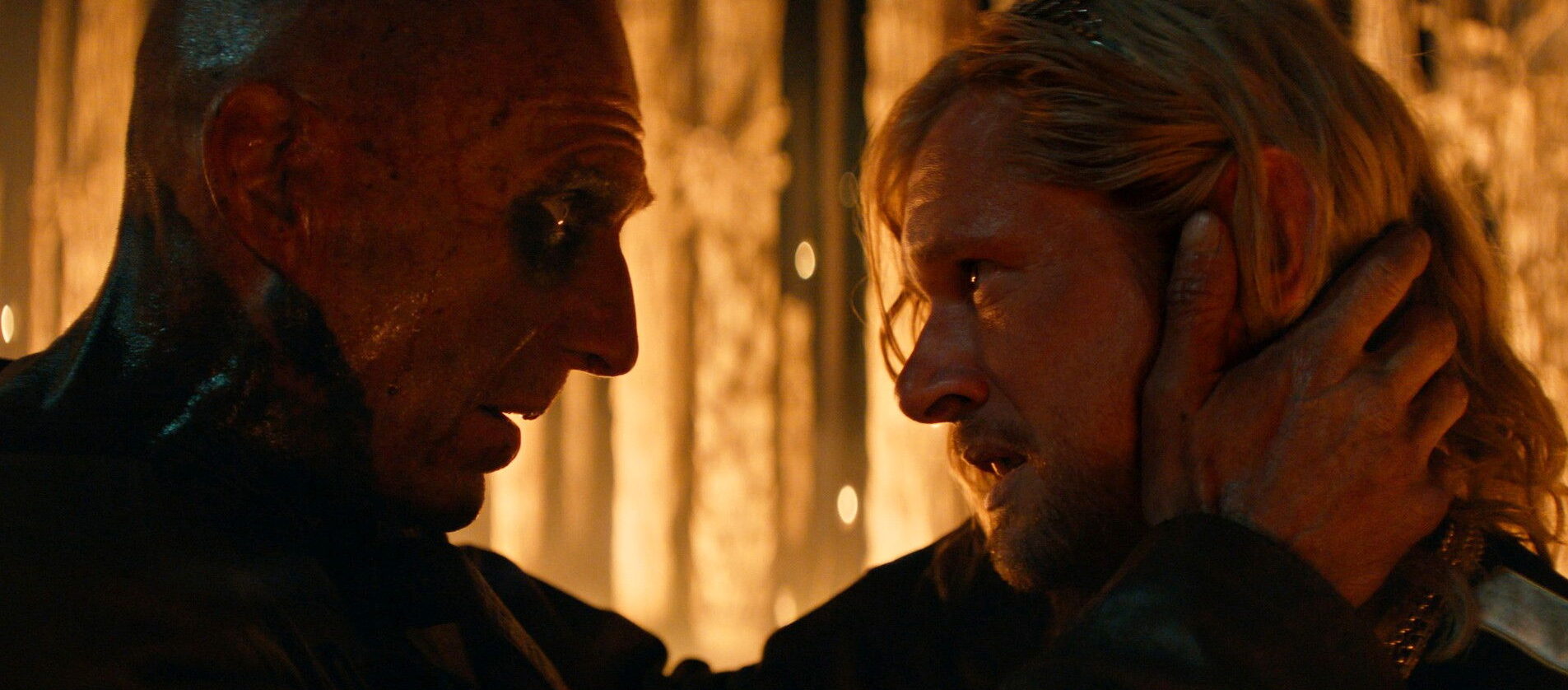
“Jimmy cloaks his “agendas of cruelty” in the costume of British polite society, and [28 YEARS LATER: THE BONE TEMPLE] punishes him for this, even if Kelson’s civil engagement understands how the monster was shaped.”
Kristoffer Borgli’s THE DRAMA bathes such moral dilemmas in discomfort; the film embraces an unwillingness to either resolve the contradiction or absolve moral opponents, forcing ambiguity into the equation. In the film, before her wedding to Charlie (Robert Pattinson), Emma (Zendaya) is revealed as having prepared as a child to carry out a school shooting, yet did not follow through. She has since, seemingly, lived a happy life as a contributor to society. However, the maid of honour, Rachel (Alana Haim), refuses to recognise this; to her, the mere consideration of the act is damnation. Her incivility is positioned as a demonstration of moral certainty. THE DRAMA, as with Borgli’s previous film, DREAM SCENARIO, is more concerned with ‘cancel culture’ than civil disagreement, but there is an intersection there in whether anyone should be considered a lost cause. The film remains ambiguous on this, and contrasts Emma’s unrealised atrocity against Charlie’s very real fumble with infidelity as he spirals following the revelation. When we find ourselves unable to pass something akin to an objective moral verdict, either through the application of empathy or through shame of our hypocrisies, should there automatically be a path to redemption? The question is one that sits alongside THE BONE TEMPLE and THE ODYSSEY, but no concrete answer is offered. Still, there is a bravery in embracing an uncertainty of the next step, compared to the intellectual simplicity of BRAVE NEW WORLD’s discarding of uncomfortable ambiguity.
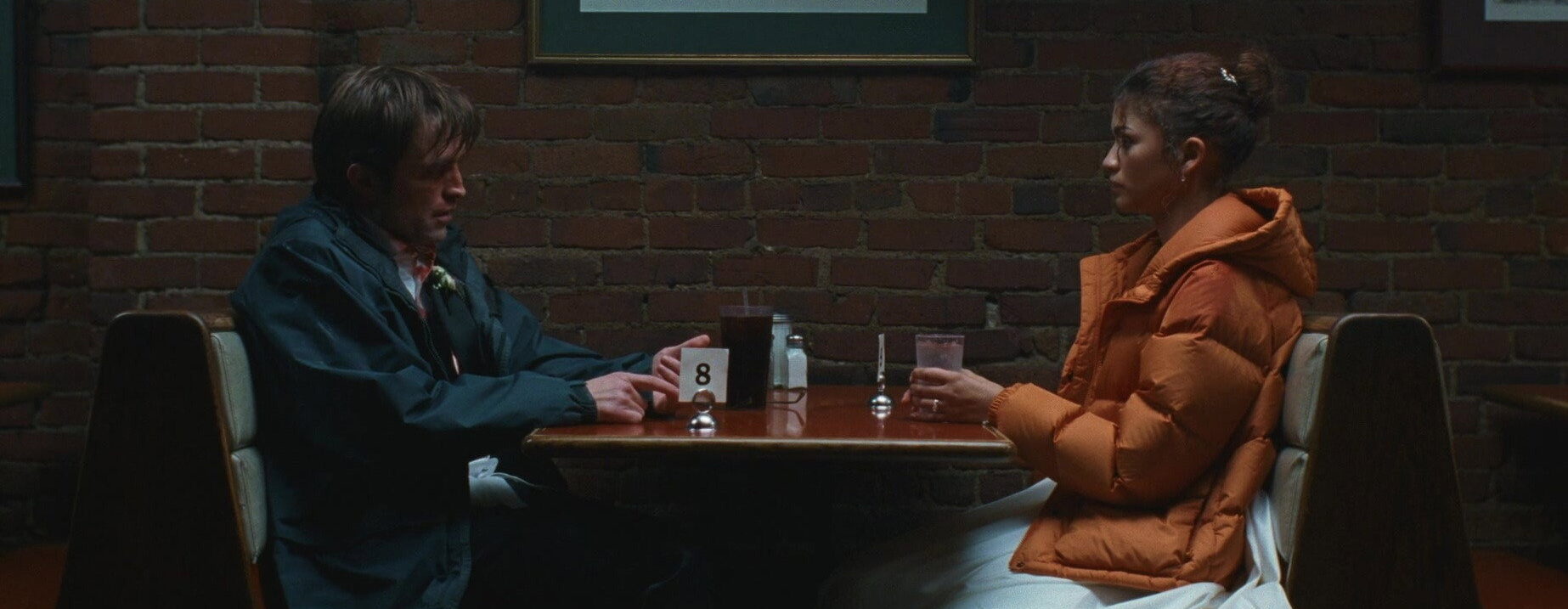
“The importance of civility, demonstrated in this year’s cinema, is to develop the collective application of empathy; by meeting the needs of all, we offer a route out of tribalism’s counterfeit communities.”
The questions addressed (or not) in these films are far from new; art has long considered the limits of civility and the extent of understanding. It has been over twenty years since Roger Ebert articulated the idea that movies are machines that generate empathy. Indeed, even if Nolan has chosen a particular emphasis, the xenia concept is a key theme of the millennia-old source material. However, that base level of ‘friendship’ among strangers has a new importance in the hyper-tribalist atmosphere of the post-COVID, Trumpian, post-Brexit landscape. The importance of civility, demonstrated in this year’s cinema, is to develop the collective application of empathy; by meeting the needs of all, we offer a route out of tribalism’s counterfeit communities.
The more intelligent handling of the topic this year reflects a swerve away from simplistic tribal mocking in satire like DON’T LOOK UP, VICE, TRIANGLE OF SADNESS, or GLASS ONION. Where cinema was pandering, it has become more considered. Since those films’ releases, the reassertion of populist exclusionism shows the ineffectiveness of mockery as an enduring antidote. Popular cinema’s stumbling engagement over the past decade with how we remain civil with one another reflects the muddled reaction to Mamdani’s words. There was no attack on civility, but a recognition of what it should be for: to create the space to extend grace and empathy to all, yet recognise cruelty when it is seen. Empathy with strangers, even those we expect to dislike, cannot be conditional on the stranger deserving it, but understanding should not guarantee absolution. Conservative commentators may not yet connect with Mamdani’s words, but cinema heard them and is articulating what civility and empathy are for.